
Family Admin Hub: Shared Calendars, Chore Systems, and Household SOPs
Welcome to Family Admin Hub: Shared Calendars, Chore Systems, and Household SOPs—a practical, heart-centered approach to coordinating busy lives with clarity, kindness, and repeatable routines. Expect real stories, actionable templates, and gentle accountability so every person feels seen, supported, and empowered to help the whole household thrive. Join the conversation, borrow our checklists, and share your refinements so our growing community learns faster together.


Map the Week Without Mayhem
Shared calendars can turn chaos into calm when they reflect real energy, not just time blocks. We’ll explore color-coding, recurring anchors, buffer zones, and simple habits that keep plans truthful. I’ll share our missed-dentist fiasco, the fix that followed, and tools you can copy today.
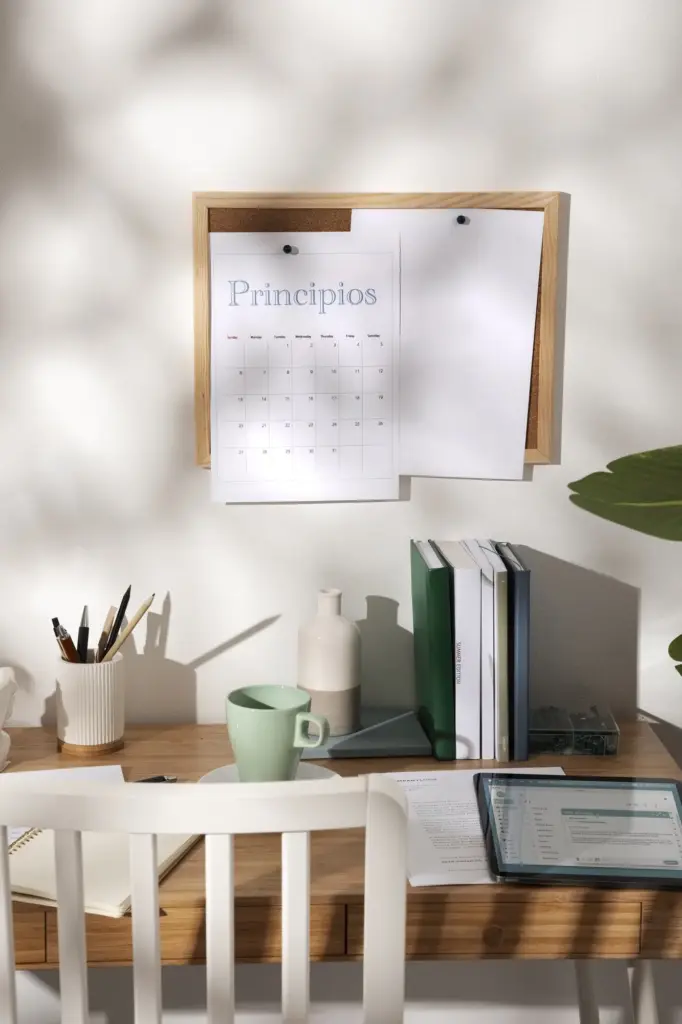
Color-Coding that Speaks at a Glance
Assign colors by person and type, then publish a tiny legend everyone remembers. Keep accessibility in mind with contrast and patterns for color-blind family members. Limit palettes to avoid rainbow noise, and review weekly to realign meaning before habits drift or exceptions multiply.

Routine Anchors and Buffer Zones
Use morning departures, dinner, and bedtime as anchors, then schedule buffers before and after high-friction moments like packing, commuting, and homework. Buffers protect relationships, reduce lateness, and create breathing space for surprises, making the calendar feel humane rather than tyrannical, especially during unpredictable seasons.
Chores That Actually Get Done
Make chores visible, small, and equitable. Turn overwhelm into momentum with rotating ownership, sensible standards, and rewards tied to responsibility, not bribes. Borrow from kanban boards and point systems, but keep compassion central, because learning to contribute is really learning to care for one another.
Designing a Fair Rotation
List every recurring task, estimate time and effort, then rotate by category rather than by specific job to spread difficulty evenly. Revisit assignments monthly with the whole family, honoring preferences and constraints while ensuring nobody gets stuck with invisible, thankless work.
Turning Chores into Micro-Missions
Break tasks into tiny, finishable steps and define the 'done' state clearly. A sink becomes 'clear dishes, wipe basin, shine faucet.' Timebox with music, race the timer, and celebrate completions. Micro-wins create confidence loops that last longer than novelty charts or nagging.
Write It Down: Household SOPs that Save Sanity
Clear instructions remove friction and free your brain for kindness. Document morning launches, laundry logic, pet care, guest setups, and safety checklists. Store versions in a shared folder, assign owners, and date revisions so improvements accumulate and nobody wonders what ‘right’ looks like.

Tools and Automations that Actually Help
Choosing a Calendar Everyone Will Open
Audit devices in the house and pick a platform that syncs reliably across iOS, Android, and web. Test sharing permissions with a grandparent or sitter. If events disappear, migrate. Adoption matters more than features, because an unused tool silently erodes trust and planning.
Linking Tasks, Events, and Docs
Attach grocery lists to the shopping event, connect birthday plans with the guest spreadsheet, and pin recipes to the meal slot. Reduce hunting by structuring information where action happens. Fewer taps mean fewer excuses, smoother handoffs, and more chances for helpful contributions from everyone.
Smart Reminders without Notification Fatigue
Bundle non-urgent alerts, schedule quiet hours, and trigger location-based nudges only when truly useful. Replace repeated pings with a single daily digest. When the phone respects attention, people follow through more often, because reminders feel like support rather than pressure or persistent scolding.
Communication Rituals that Build Trust
Clear tools help, but relationships hold everything together. Establish gentle, repeatable conversations that check stress, set priorities, and celebrate progress. Keep them short, predictable, and kind. When people feel heard, they volunteer solutions, and shared systems become the background music rather than the arguing soundtrack.
Motivation, Rewards, and Real Accountability
Sustainable systems honor human nature. Track visible progress, match rewards to values, and agree on consequences before stakes run high. Replace shaming with supportive nudges and reflective check-ins. Over time, capability grows, pride replaces reminders, and reliability becomes part of family identity. Share what works for you, request templates, or subscribe for weekly prompts that make steady progress feel natural and kind.
Streaks and Visible Progress
Use calendars, charts, or habit apps that visualize momentum with chains, badges, or progress bars. Keep goals achievable and reset compassionately after misses. Visibility creates shared language for praise and coaching, turning private efforts into communal wins without awkward boasting or competitive pressure.
Rewards that Respect Values
Choose privileges or experiences aligned with family priorities: extra reading time, choosing dessert, visiting a park, picking music for dinner. Avoid escalating purchases. Explain the why behind rewards, linking effort with care. This approach nurtures intrinsic motivation while keeping celebrations joyful, simple, and memorable.
All Rights Reserved.